
Volcano Coffee Works
ChocolateForest FruitsDried Orange
Process Washed
Roast Medium Dark
A bestselling blend featuring rich chocolate notes complemented by forest fruits and dried orange flavors.
£9.00 / 200g£4.50/100g
Brew Method
Compare specialty coffee beans recommended for AeroPress brewing by origin, process, flavour profile and price. There are currently 23 matching coffees in RoastSearch.
Sorted with featured coffees first.
Showing 23 of 23 coffees
A bestselling blend featuring rich chocolate notes complemented by forest fruits and dried orange flavors.

An exclusive blend created with Crisis Charity, combining Brazilian and Ethiopian lots for a rich cup with stone fruit sweetness, hazelnut depth, and a clove finish. 15% of each sale supports Crisis.

A flavorful single origin decaf with smooth maple syrup, green grape, and dark chocolate notes.

A 1-star Great Taste award-winning single origin espresso with chocolate notes and stone fruit flavors of apricot and nectarine.

A balanced blend featuring sweet raspberry candy notes with orange rind complexity and a smooth milk chocolate finish.

A 1-star Great Taste award-winning single origin from Brazil with creamy toffee notes, rich dark chocolate, and plum fruit flavors.

A single origin coffee named after Volcano's home in Brixton, London. Features rich cacao notes with orange rind and a touch of liquorice.

A 3-star Great Taste award-winning blend with complex flavors of red grapes, caramel, and milk chocolate.

A naturally low-caffeine Brazilian lot from Daterra, blending Aramosa and Laurina varieties. Nougat, dried cherry, and a smooth body give it sweet depth with a gentler caffeine level.

A natural Yellow Catucai from Mio in Minas Gerais, Brazil, slowly dried to preserve a rich, full-bodied sweetness. Dark chocolate, cherry, and a viscous texture make it a deep, polished Brazilian cup.

Colombia — CGLE Sudan Rume Provenance The next release in our 10-Year Series takes us to Valle del Cauca, where Café Granja La Esperanza has spent decades exploring the possibilities of Colombian coffee production. This naturally processed Sudan Rume is a rare example of a variety prized for its distinctive floral and tea-like character. Grown across La Esperanza’s network of farms, the coffee reflects the group’s long-standing commitment to exploring unusual varieties and refining the processes that bring out their potential. Explore our full 10-Year series. Process Sudan Rume is one of coffee’s rarer varieties, known for its floral aromatics and bright, tea-like character. Here, Café Granja La Esperanza uses a carefully controlled natural process that brings further depth to these characteristics. Only cherries at peak ripeness are selected before undergoing a floating process to remove lower-density fruit. The cherries are then assessed for their natural sugar content before beginning a two-stage fermentation. They first ferment in open tanks for 48 hours, followed by a further 72 hours in sealed tanks, allowing the fermentation to develop greater depth and complexity. After fermentation, the cherries are mechanically dried for 8–12 days at 38°C. Once dried, the coffee is rested in climate-controlled storage at 18–19°C, allowing it to stabilise. With vibrant blueberry notes and fresh lemongrass aromatics, the finished coffee demonstrates the remarkable diversity of flavour found in Colombian coffee.

A washed Castillo Tambo from Huila, processed by Linarco Rodriguez after a long cherry fermentation and oxidation stage. Caramel, strawberry, and a creamy body make it structured, sweet, and clean.

Colombia — Maria Rodriguez This SL28 is naturally processed, with a 48-hour anaerobic fermentation playing a key role in developing its depth of flavour. Ripe cherries are harvested, floated and sorted before being placed in sealed tanks, where the controlled fermentation builds richer fruit character while retaining SL28’s signature clean profile. The cherries are then slowly sun-dried on raised beds for 20–30 days, turned regularly to ensure even dehydration and prevent over-fermentation. The result is a distinctly tropical expression of SL28: ripe mango, butterscotch sweetness and a rounded, creamy mouthfeel.

A natural Sidra from Mauricio Shattah at La Negrita in Tolima, fermented with wine yeast under carefully controlled conditions. Peach, dark rum, and a velvety texture give this lot a polished, fruit-rich depth.

Ecuador — La Rosita Sidra Developed in Ecuador, Sidra is a locally adapted variety that combines an Ethiopian varietal with Ecuadorian terroir and growing conditions. At La Rosita, the western foothills of the Andes provide a mild subtropical highland climate, where cool temperatures, frequent cloud cover and high annual rainfall encourage slow cherry maturation and greater sweetness. After harvest, ripe cherries are hand-selected and fermented for 24 hours before pulping. The coffee then undergoes a second 12-hour fermentation with the mucilage intact before being fully washed and dried in covered polytunnels for around 10 days. The result is an elegant, silky cup that highlights the clarity and delicate floral character of the Sidra variety.

Guatemala — Santa Irene Catuaí Catuaí is a cornerstone varietal of contemporary coffee production, prized for its resilience as much as its quality. While often associated with dependable everyday coffees, lots like this show just how expressive the variety can be when grown in exceptional conditions. A classic washed process brings clarity and structure to the cup, revealing vibrant citrus, rounded sweetness and a lingering, syrupy finish.

A natural Gesha from Santa Irene in Coban, shaped by the region with constant mist, rainfall, and slow cherry development. Pomegranate, jasmine, and a tea-like finish make it bright, floral, and composed.

Guatemala — Santa Irene Sidra Originally derived from Bourbon, Sidra has fast become one of the world's most sought-after coffee varieties, prized for its vibrant fruit character and remarkable complexity. Here, a traditional washed process allows those qualities to shine, producing a cup with exceptional clarity and a mouthwatering finish, where bright tropical fruits are balanced by delicate floral notes.

A natural Mexican lot from SIPRO smallholders in Chiapas, built from Caturra and Mundo Novo. Orange, raisin, and a dense body give it dried-fruit sweetness with plenty of depth.

A Geisha from Finca Deborah in Panama, fermented in sealed CO2-flushed tanks with cascara reintroduced through the Echo process. Bergamot, hibiscus, and a silky texture make it refined, aromatic, and highly expressive.

A natural Gesha from Edelweiss Estate in Tanzania, where the variety has been reintroduced by Neel and Kavita Vohora. Hibiscus, blueberry, and a silky finish show floral complexity alongside bright fruit.
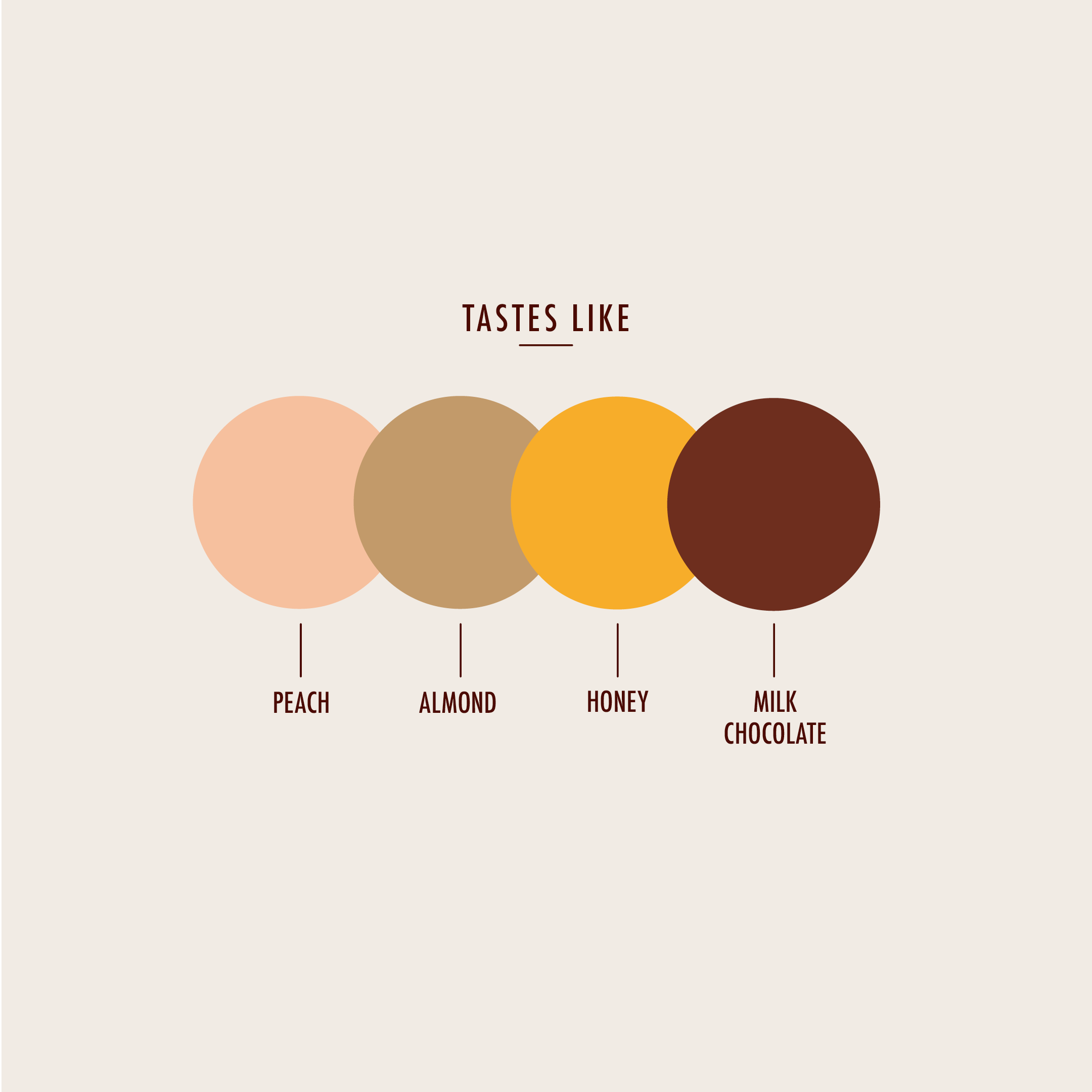
A honey processed Costa Rican coffee with honey, peach, and almond notes, roasted for a bright, complex cup.

Enjoy this delicious washed Peruvian coffee, complete with flavour notes of vanilla, cranberry and red grape. Grown by the David Guevara Armijos in La Libertad, Peru. Read full description
These links switch to another browse view. The matching coffees for this page are shown above.